How Shoppers Save in 2026 Using New Mazda Invoice Price
New Mazda Reviews
from the experts at Invoice Pricing
Ready to Get Started?
See Your Local Invoice Price and Dealer Savings
Takes less than 30 seconds, 100% FREE.
Mazda has always been known for a sporty look and for being fun to drive, with a touch of luxury. For its price point, being compared to luxury models like Acura and Lexus is a strong reputation to live up to. The cabins are roomy, the steering is sharp and fun, and its turbo models offer a little performance that rounds out its capability.
That near-luxury positioning is exactly why the Mazda invoice price matters more than people assume. When a CX-90 starts crossing into entry-level Acura MDX territory on the window sticker, knowing the e manufacturer-to-dealer invoice benchmark for an exact vehicle configuration becomes the difference between a smart buy and overpaying for a badge that’s playing in a higher league than its sticker suggests.
Mazda Invoice Pricing on the SUVs Doing Most of the Volume
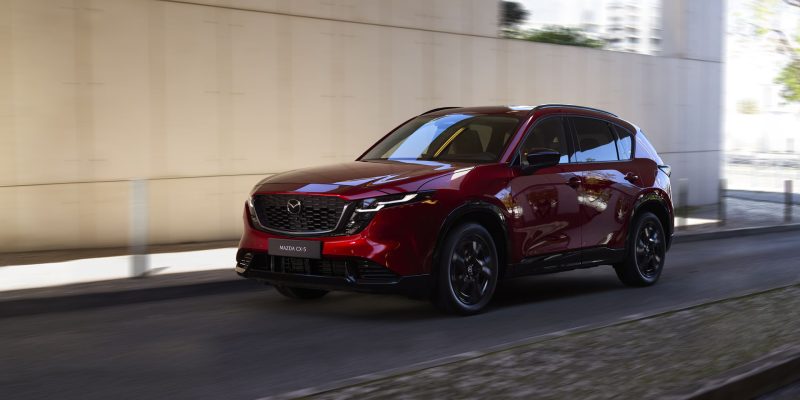
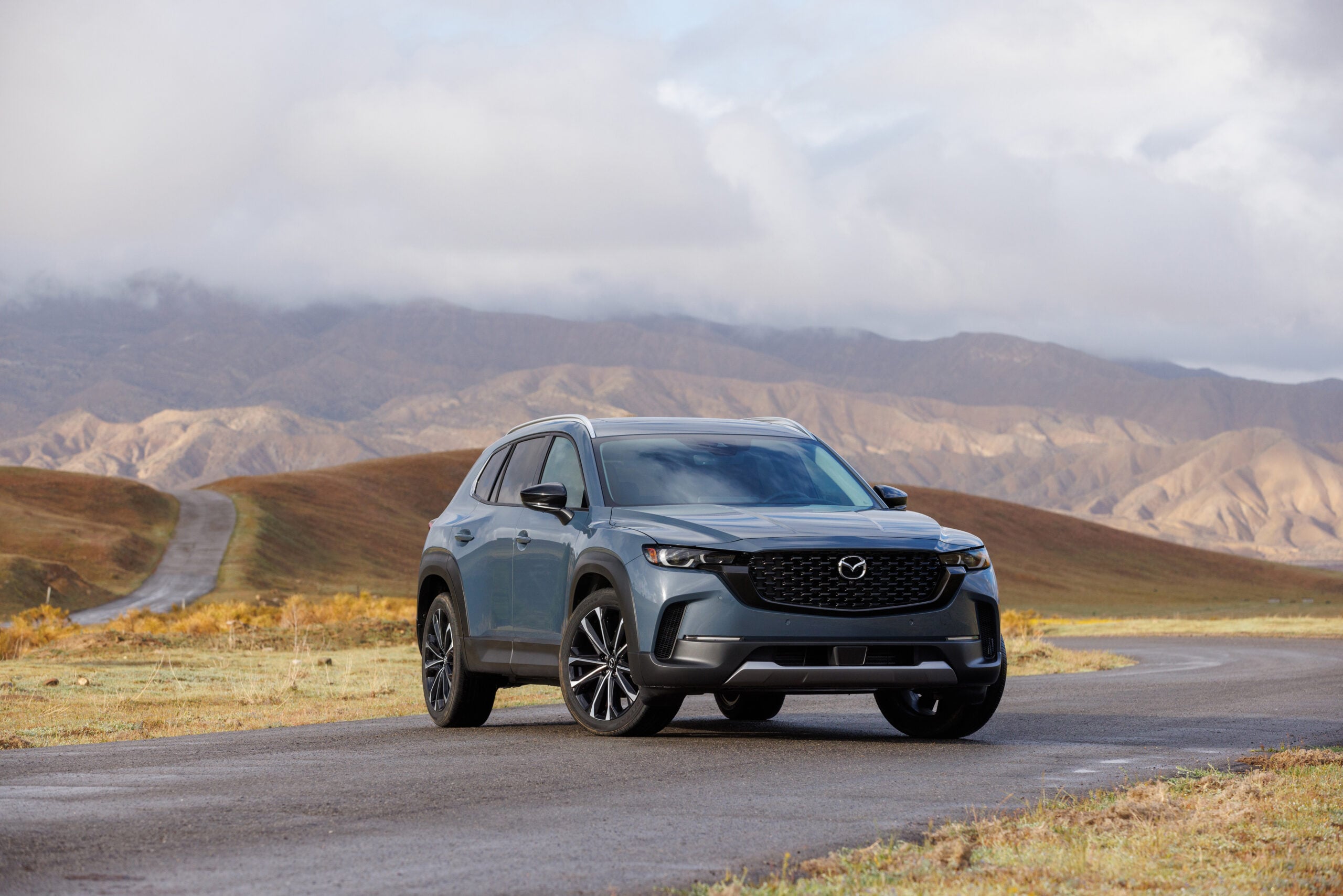
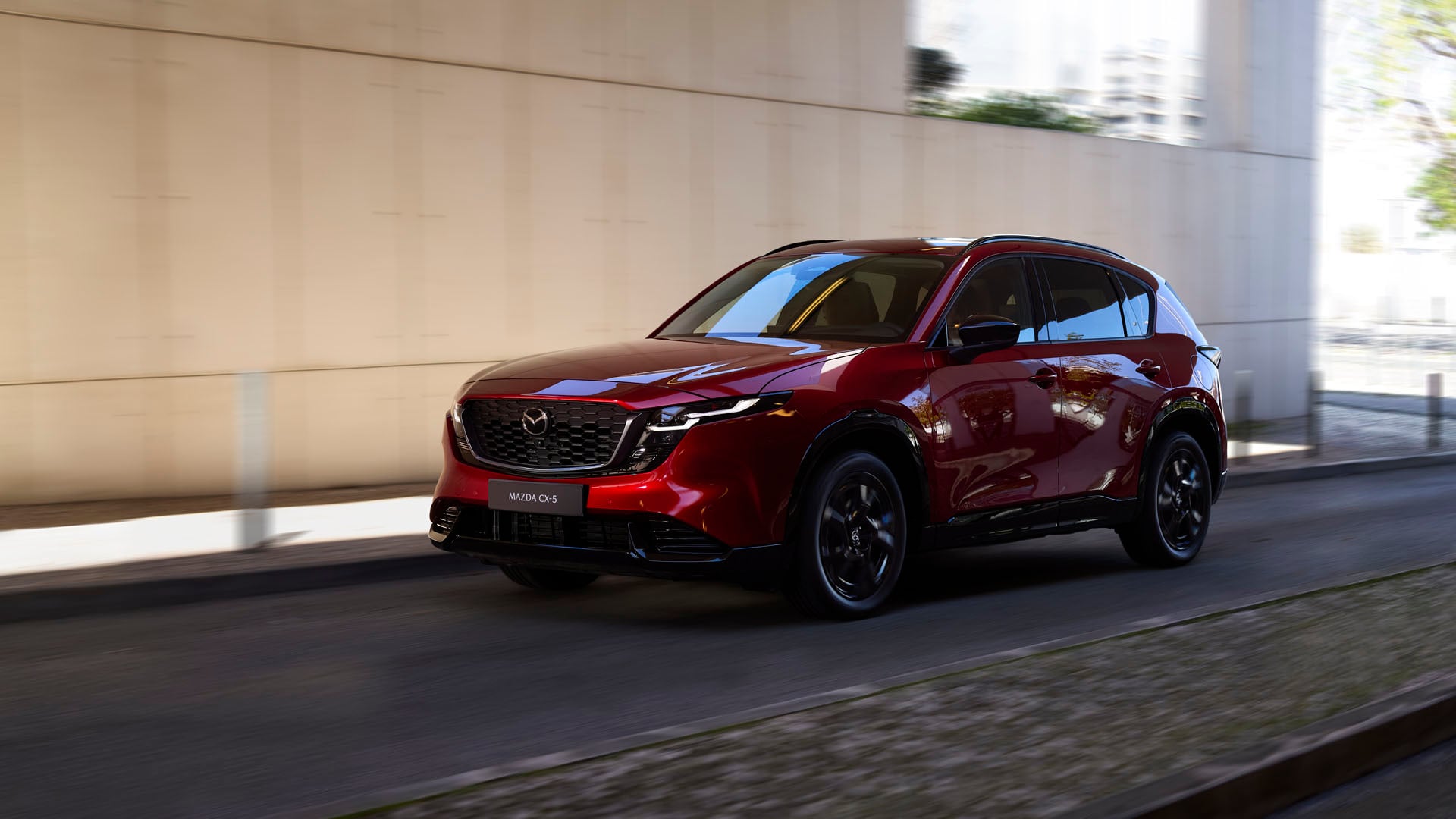
The CX-5 is Mazda’s bestseller and gets a full redesign for 2026, including a new 15.6-inch Google-built-in infotainment screen and the brand’s first in-house hybrid system rolling out. The CX-30 sits below it as the urban-friendly compact, available with the turbocharged 2.5L making 250 horsepower in Turbo Premium Plus trim. The CX-50 takes the rugged-leaning angle with off-road drive modes and the new hybrid powertrain getting an EPA-estimated 39 city, 37 highway. Step up to the CX-70 and CX-90 and the lineup shifts to inline-six territory: a 3.3L turbo I6 producing 280 hp standard, or 340 hp on the S Premium Plus trims with 369 lb-ft of torque. Both are also available as plug-in hybrids, with the CX-90 PHEV pulling 323 hp combined and a 27-mile electric range. Mazda invoice pricing on these SUVs varies widely once you start configuring the inline-six trims and adding packages like the Premium Sport and Premium Plus.
Sedans, Hatchbacks, and the One Sports Car
Mazda still sells cars, which is rare in 2026. The Mazda3 comes as a sedan or hatchback, with the 2.5 S models posting 27 city, 35-36 highway depending on body style, and Turbo Premium Plus trims pushing close to 250 hp. Then there’s the MX-5 Miata, still on the same lightweight formula, still offered with a manual transmission, still posting 26 city, 34 highway. The MX-5 RF retractable hardtop variant runs the same numbers. Across the entire lineup, every Mazda3 sedan and hatchback, every CX SUV from the 30 through the 90, took home a 2025 IIHS TOP SAFETY PICK+ award, which is the kind of clean sweep most brands can’t claim.
Where the Mazda Invoice Price Actually Lives
The MSRP on a Mazda window sticker is the public number. The destination charge ranges from $1,235 on a Mazda3 up to $1,530 on the CX-5, depending on the model. What’s not on the sticker, and what the dealer doesn’t volunteer, is what they paid Mazda for the vehicle before holdback, manufacturer-to-dealer incentives, and any regional volume bonuses that trim the cost down further. That’s the Mazda invoice price, and it shifts depending on trim, package, and even time of year. Invoice-Pricing.com publishes new Mazda pricing at the dealer-cost level for every 2026 build, from a base Mazda3 sedan up through a fully optioned CX-90 PHEV in Premium Plus trim. You see the invoice, the MSRP, and the gap between them, which is the only honest place to start a real conversation about new Mazda pricing, financing, or what your trade-in is worth.
See what’s new across the 2026 Mazda lineup:
Video: “SIBLING SHOWDOWN! — NEW 2026 Mazda CX-5 vs. 2026 Mazda CX-50: Comparison” — courtesy of Car Confections on YouTube.